Meaning of Trading on Equity
Meaning of Trading on Equity are given in the image below.

Image credits © Manoj Patil.
Meaning of Trading on Equity are given in the image below.
Image credits © Manoj Patil.
Functions of Nonverbal Communication, Features of Nonverbal Communication are given the image below.

Image credits © Manoj Patil.
Functions of Nonverbal Communication, Features of Nonverbal Communication are follows.
Advantages, Examples, Classification, Components, Types of Ecotourism are given in the image below.

Image credits © Manoj Patil.
Advantages, Examples, Classification, Components, Types of Ecotourism are follows.
Principles, Characteristics, Criteria, Concepts of Ecotourism are given in the image below.

Image credits © Manoj Patil.
Principles, Characteristics, Criteria, Concepts of Ecotourism are follows.
Benefits and Importance of Ecotourism are given in the image below.

Image credits © Manoj Patil.
Importance of product branding is given in the image below.

Image credits © Manoj Patil.
Advantages of Market opportunity analysis are depicted in image below.

Importance of Marketing strategy, Plan is given in the diagram below.

Image credits © Manoj Patil.
Importance of Marketing in organizational success are given below.
Nature of Marketing plans are given in the diagram below.

Image credits © Manoj Patil.
Explain the Nature of Marketing channels are given below.
Salient Features of Marketing Services are as follows:
What is Marketing Mix? are given in the diagram below.
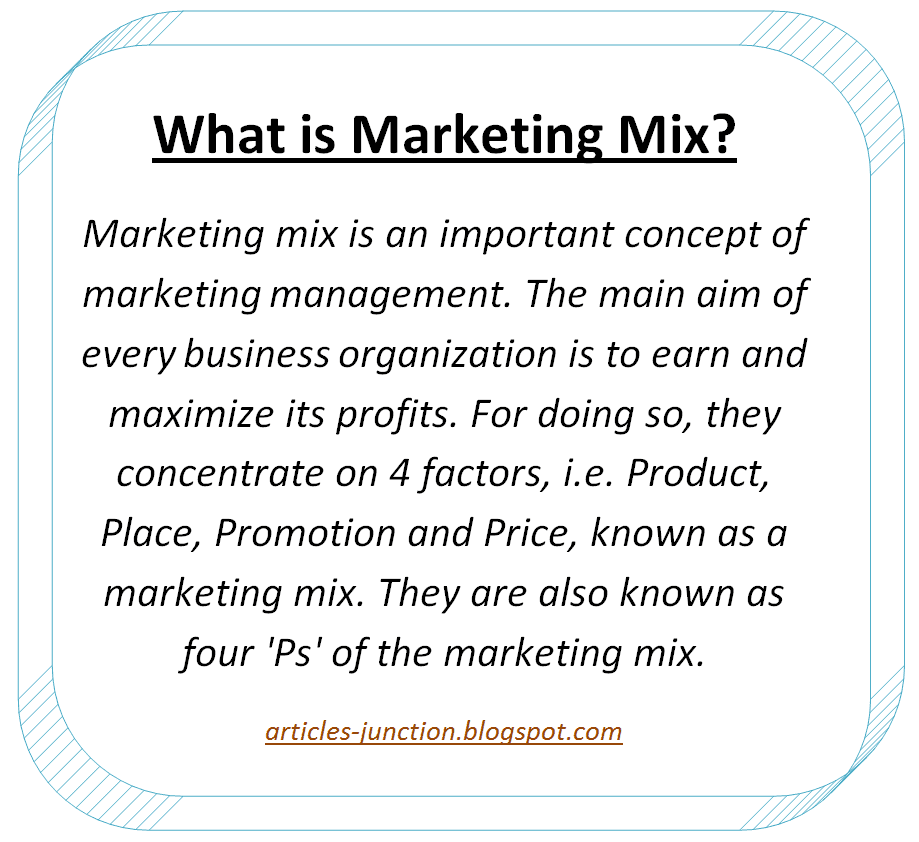
Image credits © Manoj Patil.
What is 4 P's of Marketing Mix? are follows:
Marketing mix is an important concept of marketing management. The main aim of every business organization is to earn and maximize its profits. For doing so, they concentrate on 4 factors, i.e. Product, Place, Promotion and Price, known as a marketing mix. They are also known as four 'Ps' of the marketing mix.
Concept of Marketing are given in the diagram below.

Image credits © Manoj Patil.
What is Marketing? is given below.
Use of labour intensive technique was the main feature of production before Industrial Revolution. Production was on the small scale, before Industrial Revolution. Hence exchange of goods, purchasing and selling was very simple. However, after Industrial Revolution, sudden changes took place in production technique. Use of Machinery in place of Manpower was one of the major changes. Production was started in anticipation of demand on the large scale.
What is Marine Insurance? Define Marine Insurance is given in the diagram below.

Image credits © Manoj Patil.
Marine insurance is the oldest form of insurance. It may be called as an origin of insurance business. Marine insurance is a contract of indemnity against the losses of account of perils of sea.
Marine Insurance is a contract between the marine insurance company and the insured or the shippers under which the insurance company undertakes to compensate the losses to the ship, the cargo or the freight due to particular marine peril, during sailing in exchange of a consideration of a certain amount of money (premium).
What is fire insurance is given in the diagram below.

Image credits © Manoj Patil.
“A fire insurance is a contract under which the insurer in return for a consideration (premium) agrees to indemnify the insured for the financial loss which the latter may suffer due to destruction of or damage to property or goods, caused by fire, during a specified period.”
Fire insurance is the popular form of general insurance. It is perfectly based on 'Principle of Indemnity'. In fact, all the five principles viz. Principle of utmost good faith, insurable interest, indemnity, subrogation; mitigations of loss are applicable to fire insurance.
Meaning of Life Insurance are given in the diagram below.

Image credits © Manoj Patil.
In Life Insurance contact, the human life is insured against old age illness, accident, death, etc. Life insurance contract is not a contract indemnity. Hence the insurer has to reimburse a definite sum on the maturity or completion of policy.
Insurance is based on the principle of economic co-operation. It is a pooling of risks and spreading over a number of persons. It is the basic principle of insurance. The premium is collected from a number of persons, and an insurance fund is created. From this fund, the compensation is given to the contributors who suffer contingent loss. In modern days, it is now a specialized branch of commerce. Today, insurance covers a wide range of risks. It now closely related to the day-to-day life of individuals as well as of the nation. It also plays a prominent role in the national economy.
Basic Principles of Insurance are given in the diagram below.
What is Insurance are given in the diagram below.↓

Image credits © Manoj Patil.
Risk is involved in all aspects of life and business. In Human being risk involved are losses of earning member in the family or his disability or loss of job, or loss of property due to natural or human calamities, e.g. robbery, theft, floods, cyclones, fire, etc. In business risks involve are variations in prices, natural risks, behind time transport risks, shortage of raw material risk, risk of late payments of goods, etc. Every businessman should adopt particular measures to minimize or to reduce the possibility of risks. He should save a specific amount of profit every year from his business to secure himself, by entering into an insurance contract. Insurance covers the risk, but it does not prevent the risk. Insurance is really an element of business, without it, no vehicle of transport, in sea or land or in the air is allowed to move, nothing built and no wheel turns. Every wise businessman secures himself to insurance.


